
Google’s Fitbit brand is known for its sleek fitness bands and smartwatches with colorful screens, but there has long been a niche demand for something simpler: a screenless Fitbit‑style band that tracks your steps, sleep, and activity without any display. While current Fitbit models like the Inspire or Charge lines all have small screens, the idea of a true “screenless” band is essentially a throwback to devices like the Fitbit Flex 2, which operated almost entirely through lights and the companion app.
What a screenless Fitbit‑style band is
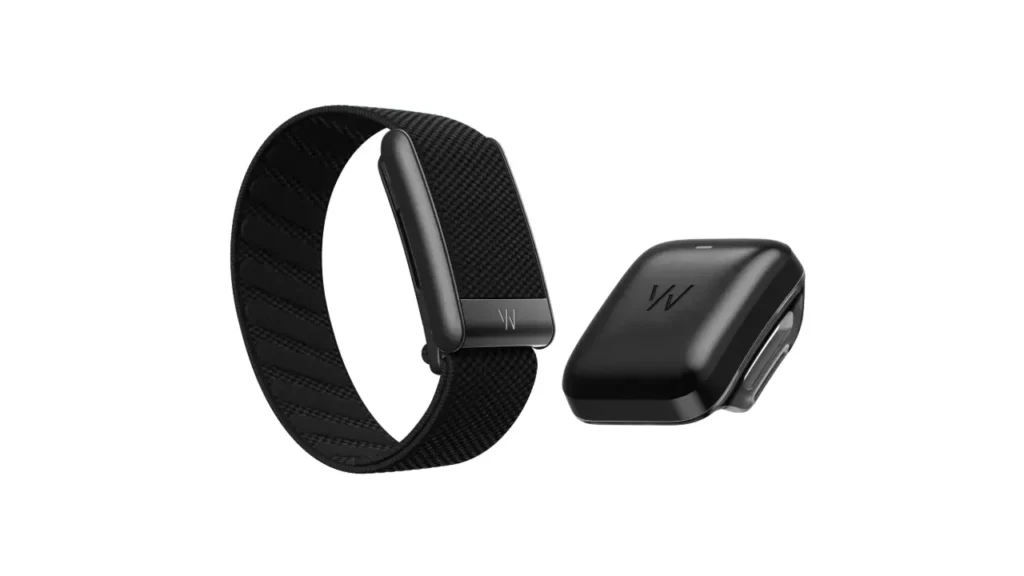
A screenless Fitbit‑style band is a plain fitness wristband with no visible OLED or LCD screen. Instead of showing numbers and menus, it uses:
- LED lights (usually color‑coded) to show progress toward your daily step goal or to indicate messages.
- Vibration patterns for notifications, alarms, or reminders to move.
- A phone app (Fitbit app or similar) to view detailed stats like steps, distance, calories, sleep stages, and more.
This design keeps the device lightweight, discreet, and battery‑efficient, closer to a “dumb” step counter than a full smartwatch.
Fitbit Flex 2: The closest thing to a screenless Fitbit band
The best‑known example of this concept is the Fitbit Flex 2, a slim, swim‑proof wristband that has no visible screen.
Key features:
- Tracks steps, distance, calories burned, active minutes, and automatic activities (running, sports, workouts).
- Automatically monitors sleep duration and quality, with bedtime reminders and silent alarms.
- Uses colored LED lights on the band to show how close you are to your daily step goal.
- Vibrates to remind you to move if you’ve been sitting too long.
- Can be worn as a wristband, clip‑on, or pendant, making it very versatile.
Because the Flex 2 has no screen, all configuration and detailed analytics happen in the Fitbit app, which is ideal for users who want to track health without digital distractions on their wrist.
Why a screenless Fitbit‑style band is appealing
Several types of users actively look for trackers without screens, and here’s why a screenless Fitbit‑style band makes sense for them:
- Minimalist and “no‑screen” users
- People with low vision or accessibility needs
- Battery‑life and fashion‑focused users
- Screenless bands often run for days or even weeks on a single charge because there’s no display to power.
- They can be designed as slim, jewelry‑like wristbands that look more like a bracelet than a gadget.
How it works in practice
Even though there’s no screen, a screenless Fitbit‑style band is still very functional:
- Step and activity tracking
- The band constantly counts steps, distance, and active minutes in the background.
- Sleep and health tracking
- It detects when you fall asleep and tracks sleep duration and movement, syncing this data to the app overnight.
- Notifications and alerts
- It can buzz when you receive calls or messages, and sometimes use light patterns to differentiate types of alerts.
- Goal progress feedback
- A row of LEDs lights up as you approach your daily step goal, giving you a quick glance‑style feedback without numbers.
Everything else—historical graphs, workout summaries, trends over weeks, and settings—is handled in the Fitbit app on your phone.
Can you get a true screenless Fitbit band today?
As of 2026, Fitbit’s current lineup (Inspire, Charge, Sense, Versa, etc.) all have small screens, even if they can be dimmed or hidden. However, the Flex 2 and similar older bands are the closest thing Fitbit has ever released to a true screenless band.
If you specifically want a screenless experience right now, your options are:
- Use a Fitbit Flex 2 or similar older model and keep it in a simple band.
- Look at other minimalist trackers without displays, such as certain swimming‑focused or basic step‑only bands, though these usually don’t use the Fitbit ecosystem.
There’s also growing interest in the idea, with users on forums asking whether Fitbit would ever bring back a true screenless band, so it’s possible Google Fitbit could revisit this concept in the future.