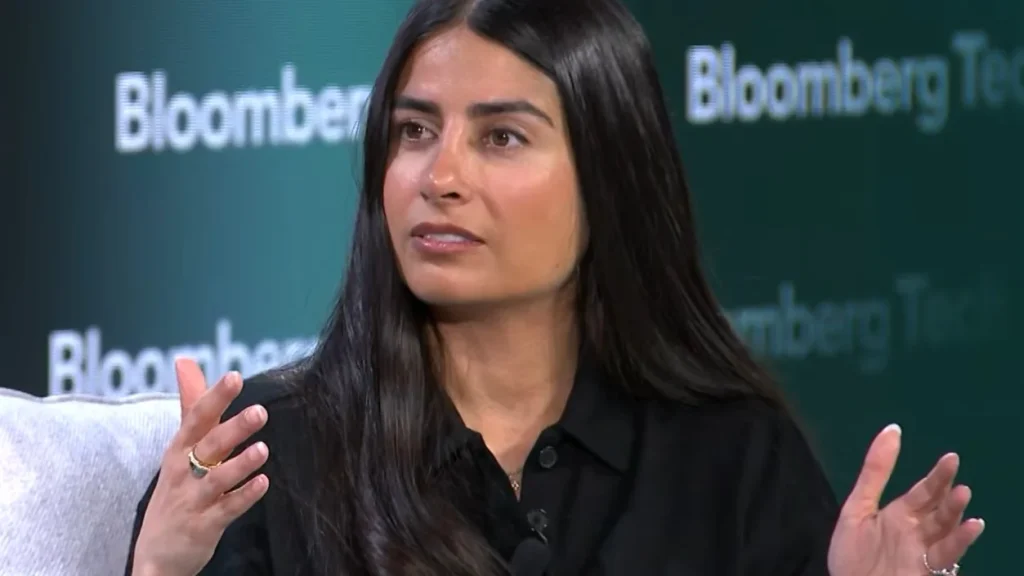

Microsoft’s latest round of layoffs has ignited a political storm in the United States, with Xbox CEO Asha Sharma becoming the focus of criticism as debates over skilled immigration return to the spotlight.
The company recently confirmed major workforce reductions across its gaming business, leading to thousands of job losses. While Microsoft insists the decision is part of a long-term restructuring strategy, critics argue the layoffs raise questions about the company’s continued use of the H-1B visa program.
Thousands of Jobs Eliminated Across Xbox
As part of a company-wide cost-cutting initiative, Microsoft is removing around 3,200 positions from its Xbox division. The first wave of layoffs affected roughly 1,600 employees, while additional cuts are expected over the next year.
The gaming layoffs contribute to Microsoft’s broader restructuring, which impacts approximately 4,800 employees worldwide.
Company executives say the move is designed to improve operational efficiency and prepare Xbox for future growth in an increasingly competitive gaming market.
Asha Sharma Finds Herself at the Center of the Debate
Although the restructuring was announced as a business decision, much of the public attention has shifted toward Xbox chief executive Asha Sharma.
Sharma, who took charge of Xbox in 2026, has built a career across several major technology companies. Before returning to Microsoft, she held senior leadership positions at Meta and Instacart, while earlier in her career she worked in Microsoft’s marketing organization.
Originally from Wisconsin, Sharma graduated from the University of Minnesota before establishing herself as one of Silicon Valley’s rising executives.
Why the H-1B Program Is Being Mentioned
The layoffs have coincided with renewed criticism of the H-1B visa system, which allows American companies to employ highly skilled foreign professionals.
Reports indicating Microsoft received approval for more than 2,000 H-1B petitions this year prompted critics to question why technology firms continue sponsoring overseas talent while reducing parts of their domestic workforce.
Microsoft responded by explaining that many of the approved petitions were visa renewals or transfers involving employees already living and working in the United States. The company also noted that the figures cover Microsoft’s global operations and are not related specifically to Xbox.
Microsoft Rejects Political Claims
Microsoft has dismissed suggestions that American employees are being replaced by visa holders.
According to the company, workforce reductions were based entirely on business priorities rather than immigration status. Executives also confirmed that employees holding H-1B visas were included in the layoffs.
The company stressed that the gaming division remains one of the largest employers within the U.S. video game industry.
Republicans Renew Calls for Immigration Reform
Several Republican politicians have used Microsoft’s restructuring to renew criticism of employment-based immigration policies.
Representative Riley Moore argued that technology companies have become overly dependent on foreign labor through the H-1B system, claiming it limits opportunities for American workers.
The comments reflect a broader political conversation that has intensified ahead of upcoming policy discussions on immigration and employment.
Xbox Restructuring Aimed at Improving Business Performance
In an internal communication to staff, Sharma acknowledged that Xbox’s financial performance has fallen behind competitors in certain areas.
She said the restructuring is intended to create a stronger business capable of investing in future gaming technologies while improving profitability.
Industry reports also suggest Microsoft plans to reorganize parts of its gaming portfolio, including changes involving several studios and internal development teams.
Federal Reserve Appointment Adds to Public Attention
Adding another dimension to the story, Sharma was recently selected to join a newly created Federal Reserve advisory task force focused on productivity and employment.
The appointment has attracted additional attention because it comes shortly after Microsoft announced significant job reductions within its gaming division.
The panel will advise policymakers on ways to strengthen economic analysis and labor market research.
Outlook
The Xbox layoffs have become more than a corporate restructuring story. They now sit at the intersection of business strategy, U.S. immigration policy, and political debate.
While Microsoft maintains that the workforce reductions are unrelated to the H-1B program, the discussion surrounding skilled immigration and employment practices is expected to remain a key issue as the company moves forward with its restructuring plans.